Archives
- 2026-08
- 2026-07
- 2026-06
- 2026-05
- 2026-04
- 2026-03
- 2026-02
- 2026-01
- 2025-12
- 2025-11
- 2025-10
- 2025-09
- 2025-03
- 2025-02
- 2025-01
- 2024-12
- 2024-11
- 2024-10
- 2024-09
- 2024-08
- 2024-07
- 2024-06
- 2024-05
- 2024-04
- 2024-03
- 2024-02
- 2024-01
- 2023-12
- 2023-11
- 2023-10
- 2023-09
- 2023-08
- 2023-07
- 2023-06
- 2023-05
- 2023-04
- 2023-03
- 2023-02
- 2023-01
- 2022-12
- 2022-11
- 2022-10
- 2022-09
- 2022-08
- 2022-07
- 2022-06
- 2022-05
- 2022-04
- 2022-03
- 2022-02
- 2022-01
-
Microglia after activation can show prominently pro inflamma
2022-01-15
Microglia after activation can show prominently pro-inflammatory but also anti-inflammatory characteristics [46]. Although the ageing process is not a pathological process, many of the age-associated changes resemble those observed under pathological conditions. An increase number of pro-inflammator
-
Evidence suggests that phosphorylation increases synaptotagm
2022-01-15
Evidence suggests that phosphorylation increases synaptotagmin affinity for the SNARE complex [15], [128]. It is, however, unclear how this might affect release. Synaptotagmin has been identified as part of the minimal vesicle docking machinery in chromaffin Taurine receptor [129]. Thus, phosphoryl
-
SETDB is ubiquitously expressed in mouse tissues and
2022-01-15
SETDB1 is ubiquitously expressed in mouse tissues, and more than 900,000 ERVs are dispersed through the mouse genome. Nevertheless, the repertoire of ERVs under the control of SETDB1 was limited and highly cell-type specific. Only 17,349 ERVs were associated with H3K9me3 domains in Th2 cells. The va
-
Intestinal epithelium renewal is tightly controlled by Hedge
2022-01-15
Intestinal epithelium renewal is tightly controlled by Hedgehog genes. Three Hedgehog genes are highly conserved in mouse and human, including Sonic hedgehog (Shh), Indian hedgehog (Ihh), and Desert hedgehog (Dhh) [13]. Hedgehogs bind to Patched (PTCH) [[14], [15], [16]], which unlike conventional r
-
Fenofibric acid We suggest that the FRET enhancement observe
2022-01-15
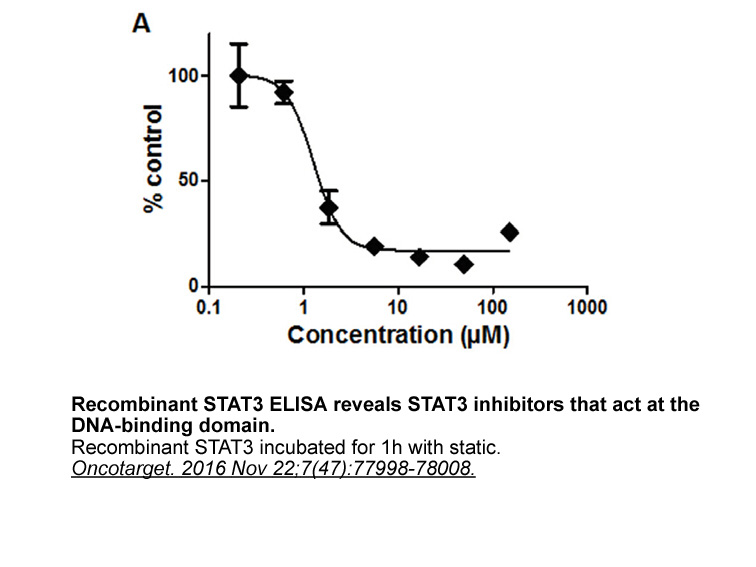
We suggest that the FRET enhancement observed when the modified mD1 protein containing Acd at position 28 was excited at 260nm (), may differ from the diminution in fluorescence observed following excitation at 280nm due to the excitation of different transitions in Trp (i.e., the L and L transition
-
Transporters are important ta http www
2022-01-15
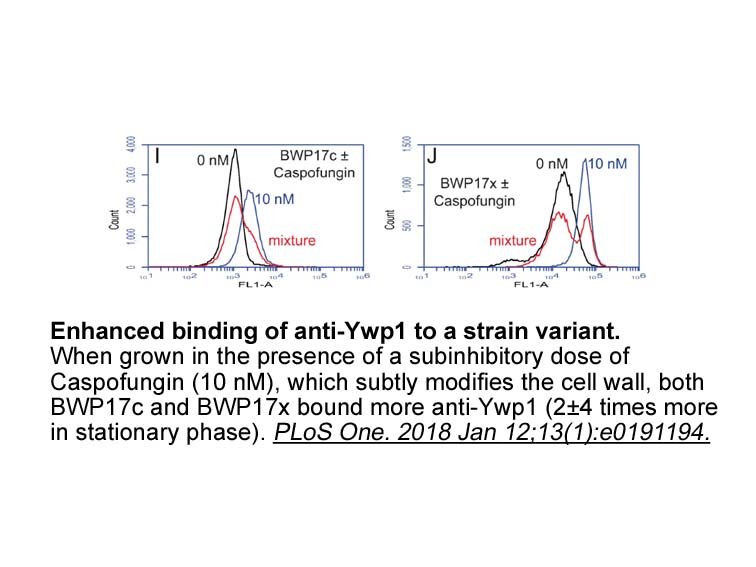
Transporters are important targets for devising new therapies, optimizing existing therapies, and helping understand the toxicities of certain drugs. Given the well-documented role of transporters in restricting the distribution of drugs, modulating the relevant transporters could enhance the permea
-
Sitagliptin phosphate We recently reported the first cyclopr
2022-01-15
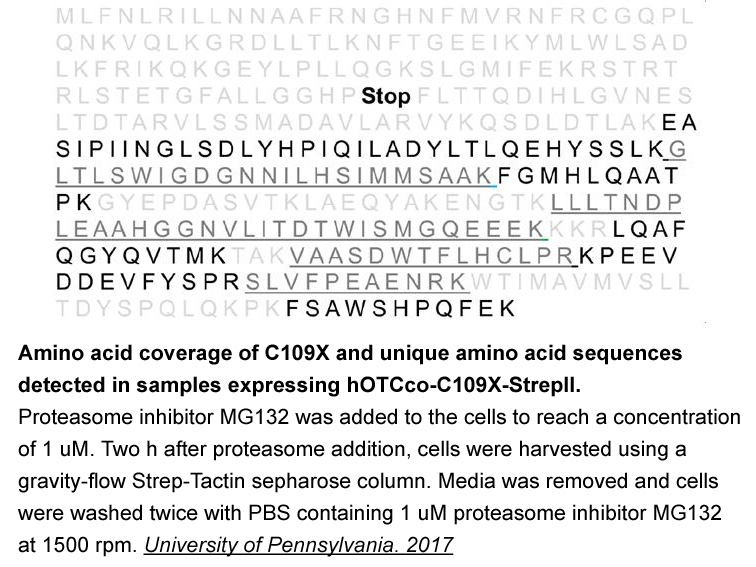
We recently reported the first cyclopropene-analog of the amino Sitagliptin phosphate neurotransmitter glutamate (Fig. 2A) [27]. This first-generation cyclopropene-glutamate expanded the only other documented report of a cyclopropene-neurotransmitter (cyclopropene-GABA analog by Reissig and coworke
-
Here we studied the effects of BZ
2022-01-15

Here we studied the effects of BZ flurazepam (FZ) at high doses in acute and chronic settings of tolerance and dependence in GluR-A−/− mice (Zamanillo et al., 1999). We used measurements in which the phenomenon of “learning while intoxicated” should play only a minor role in order to find out the s
-
As cardiovascular disease accounts for the majority
2022-01-15
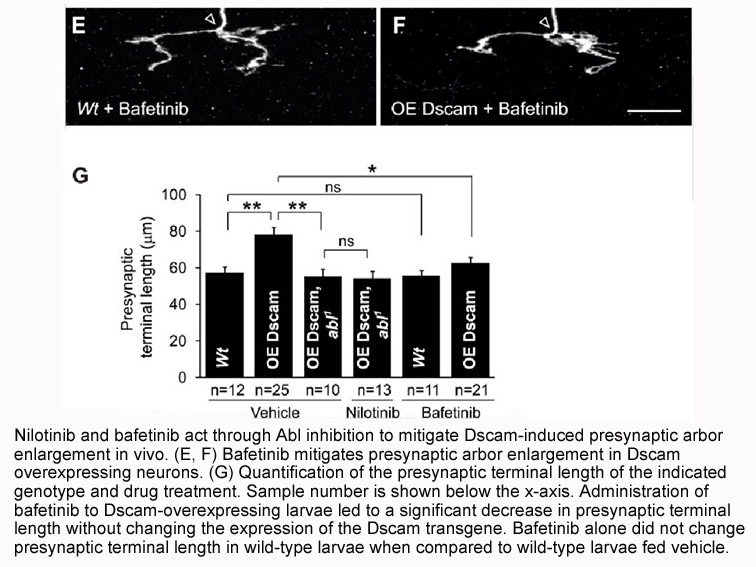
As cardiovascular disease accounts for the majority of deaths in subjects with T2D, it is imperative that we better characterize the cardiovascular risks and benefits of the various therapies we prescribe to these individuals to control their glycemia. Indeed, the potential to identify subsets of di
-
Despite potent biological actions the native hormone
2022-01-15
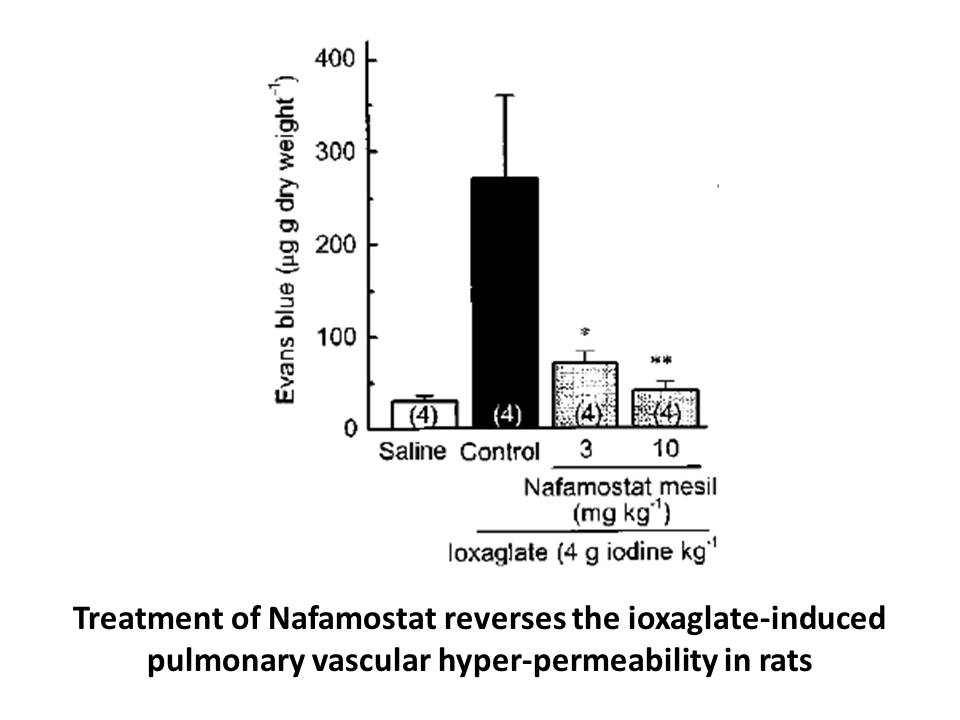
Despite potent biological actions, the native hormone undergoes degradation by the enzyme dipeptidylpeptidase-IV (DPP-IV) [17] and is rapidly cleared from the bloodstream by renal filtration [18]. One such approach to prolong the biological half-life of GIP is through conjugation with a polyethylene
-
ETV plays an important role
2022-01-15
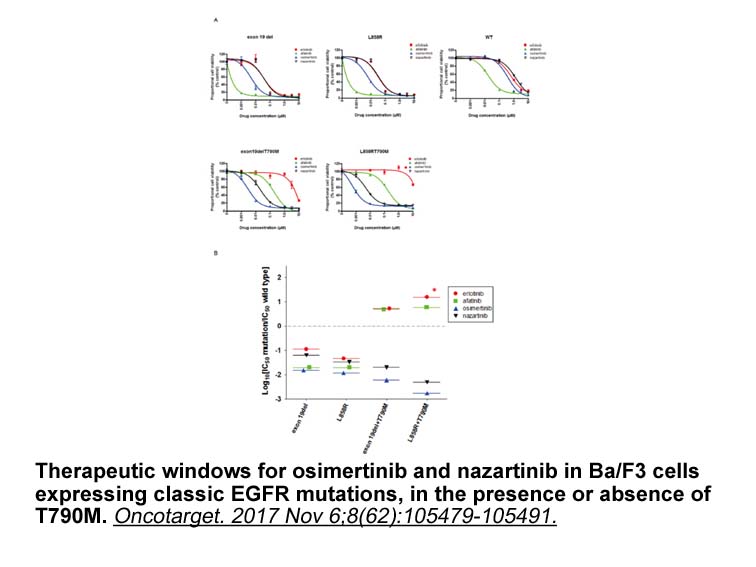
ETV5 plays an important role in tumorigenesis and metastasis. For example, chromosomal rearrangement of ETV5 which results in increased ETV5 level is believed as a common event driving human prostate cancer (Helgeson et al., 2008; Huang and Waknitz, 2009). Ghrelin/acyl-ghrelin also plays an importan
-
A pooled overall survival analysis at
2022-01-15

A pooled overall survival analysis at 1year showed no difference in survival between the two study arms, although these studies were not designed or powered to demonstrate a survival benefit. Among the 979 total patients in both ROMANA 1 and 2, about 55% continued on to the ROMANA 3 trial. That tria
-
CCK-8 receptor br Gap junctions hemichannels and connexins M
2022-01-15
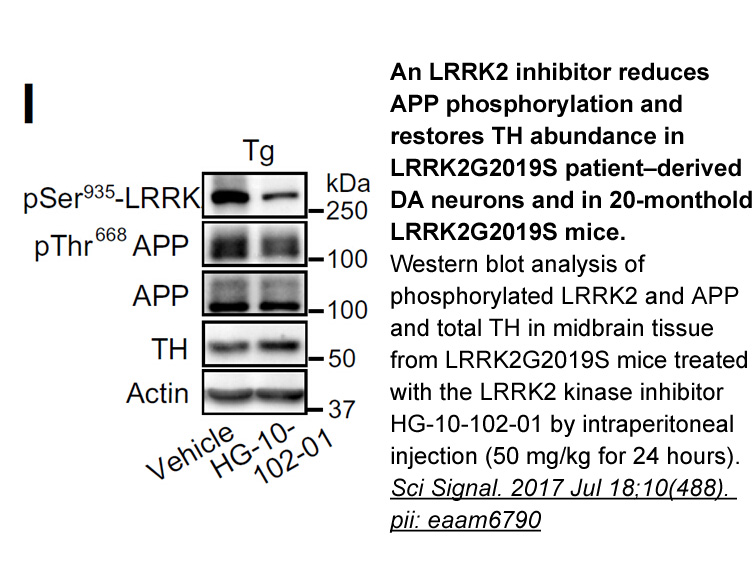
Gap junctions, hemichannels and connexins: Molecular characteristics and function Cell-to-cell communication is of extreme importance in tissue homeostasis, which is maintained by transmission of regulatory signals (Fig. 1). Intercellular communication via gap junctions (GJs) represents one of th
-
The highest metabolic stability observed for compound
2022-01-14
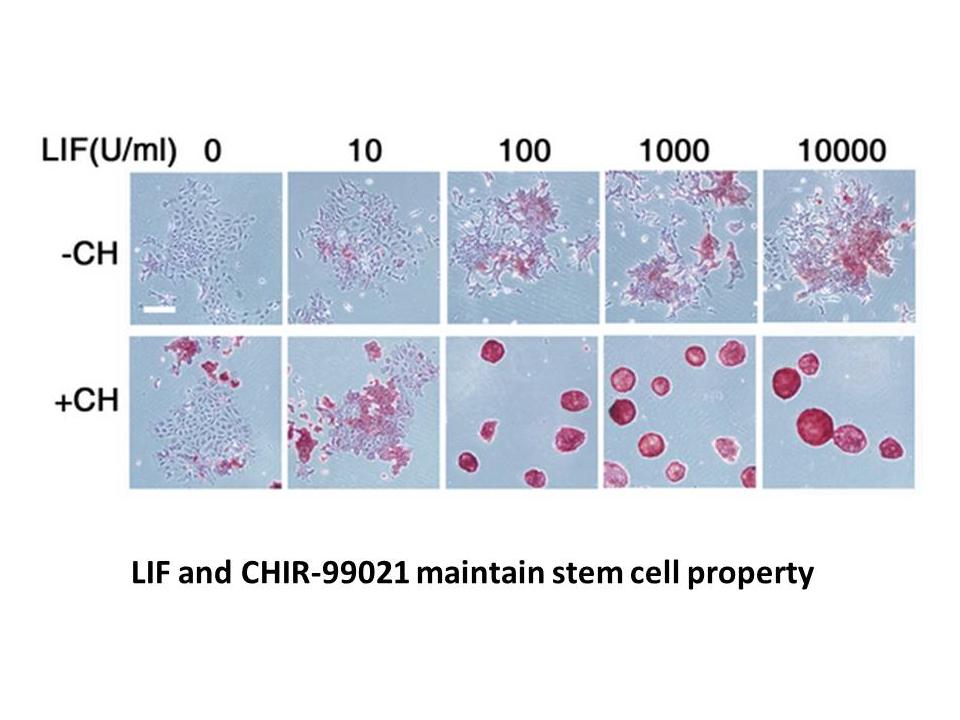
The highest metabolic stability observed for compound 4k (EC50=0.41μM corresponding to 218ng/mL) among the four selected frontrunner candidates was the principal decisive point in nominating this compounds for pharmacokinetic characterization in mice at the dosage of 10mg/kg (administered intravenou
-
In addition to FAK P
2022-01-14

In addition to FAK, P-38 MAPK (38 kDa polypeptide) serves as cross-talk effector for signal transduction, enabling this factor to play a vital role in numerous biological processes (Cuenda and Rousseau, 2007). Pharmacologically modulation of P-38 has shown to be an effective approach in the orientat
8024 records 527/535 page Previous Next First page 上5页 526527528529530 下5页 Last page