Archives
- 2026-07
- 2026-06
- 2026-05
- 2026-04
- 2026-03
- 2026-02
- 2026-01
- 2025-12
- 2025-11
- 2025-10
- 2025-09
- 2025-03
- 2025-02
- 2025-01
- 2024-12
- 2024-11
- 2024-10
- 2024-09
- 2024-08
- 2024-07
- 2024-06
- 2024-05
- 2024-04
- 2024-03
- 2024-02
- 2024-01
- 2023-12
- 2023-11
- 2023-10
- 2023-09
- 2023-08
- 2023-07
- 2023-06
- 2023-05
- 2023-04
- 2023-03
- 2023-02
- 2023-01
- 2022-12
- 2022-11
- 2022-10
- 2022-09
- 2022-08
- 2022-07
- 2022-06
- 2022-05
- 2022-04
- 2022-03
- 2022-02
- 2022-01
- 2021-12
- 2021-11
- 2021-10
- 2021-09
- 2021-08
- 2021-07
- 2021-06
- 2021-05
- 2021-04
- 2021-03
- 2021-02
- 2021-01
- 2020-12
- 2020-11
- 2020-10
- 2020-09
- 2020-08
- 2020-07
- 2020-06
- 2020-05
- 2020-04
- 2020-03
- 2020-02
- 2020-01
- 2019-12
- 2019-11
- 2019-10
- 2019-09
- 2019-08
- 2019-07
- 2019-06
- 2019-05
- 2019-04
- 2018-07
-
The difficulty of characterizing nAChRs in the
2025-02-21
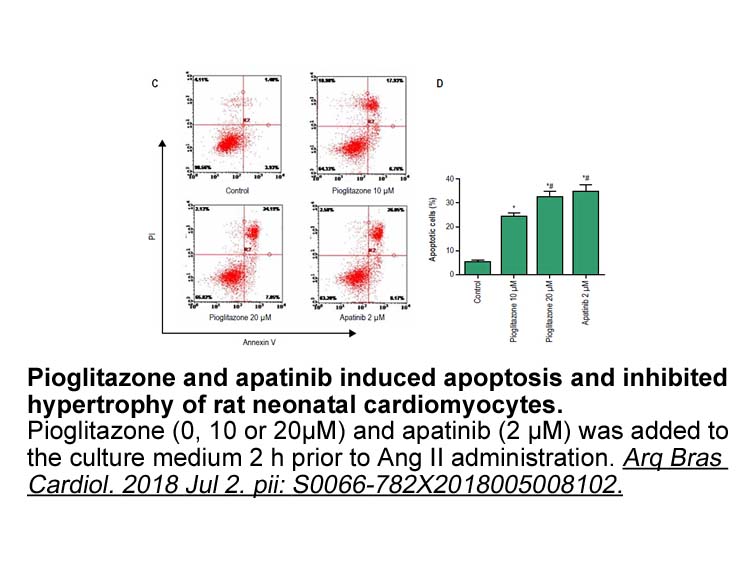
The difficulty of characterizing nAChRs in the central nervous system is also exemplified by early observations that nicotine caused no detectable effect when applied on a brain slice and it is only with the focal and high time resolution of more recent experiments that the effects of nicotinic neur
-
Notably our preliminary results confirmed
2025-02-21
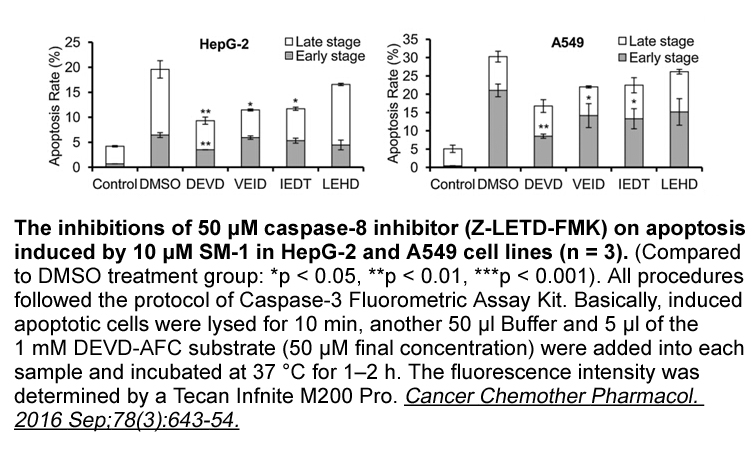
Notably, our preliminary results confirmed that fluoxetine (SSRIs, 5–10 mg/kg) and duloxetine (SNRIs, 5–10 mg/kg) could not enhance memory function in the novel object recognition or step-down passive avoidance tasks (data not shown). In the present study, we also found that vilazodone showed had no
-
Phosphoinositide kinase PI K Akt has been well demonstrated
2025-02-21
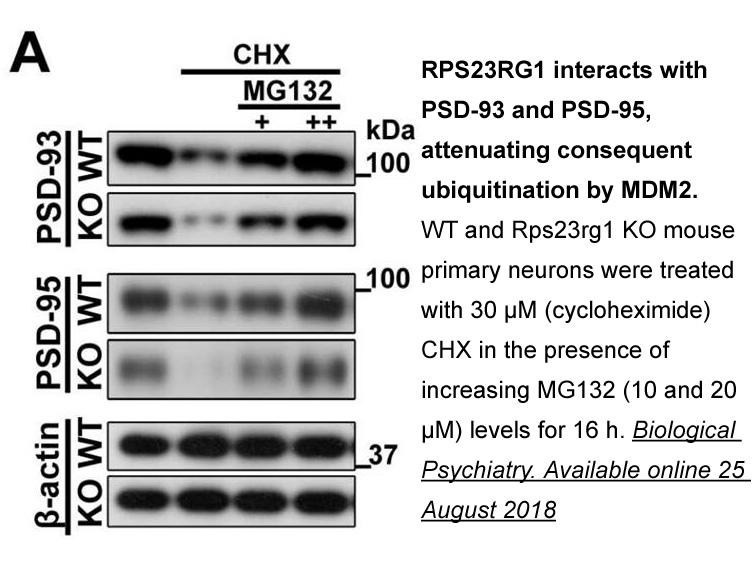
Phosphoinositide 3-kinase (PI3K)/Akt has been well demonstrated in the protection of myocardial cell against IR injury via increasing cardiomyocyte survival, inhibiting excessive autophagy, et al. (Kong et al., 2016). The BLU9931 receptor of ERK1/2 also involves in the regulation of cardiac myocyte
-
There are profound differences between
2025-02-21
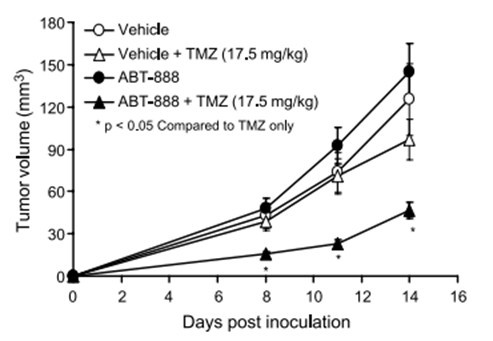
There are profound differences between acute and chronic pain when dramatic changes occur in peripheral nociceptors and central nociceptive pathways and the pain system is sensitised thereby leading to exaggerated responses to noxious stimuli (hyperalgesia) and responses to non-noxious stimuli (allo
-
br Abbreviations br Acknowledgements This work was supported
2025-02-21
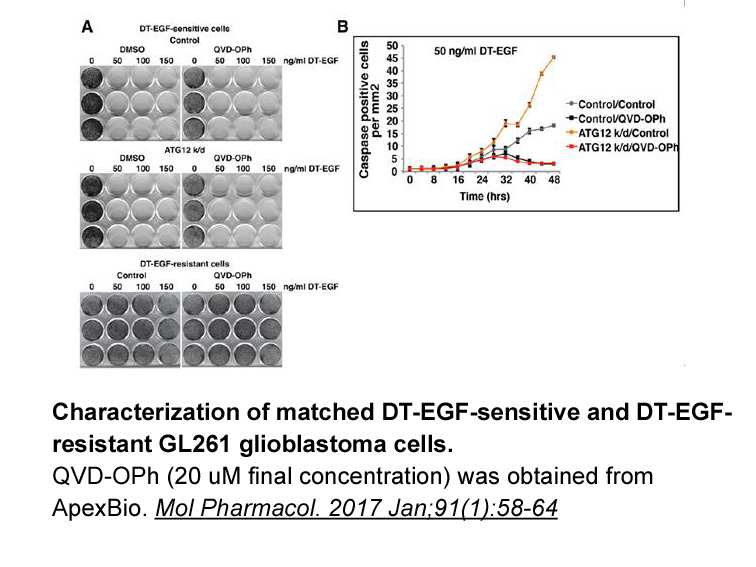
Abbreviations Acknowledgements This work was supported by grants from the National Institutes of Health (R01GM114168) and the Office of Naval Research (N000141210773) awarded to J.C·H and National Cancer Institute (5P30CA16059) Cancer Center Support Grant in support of Massey Cancer Center Pro
-
br Future directions outlook Peptide based macrocycles are
2025-02-21
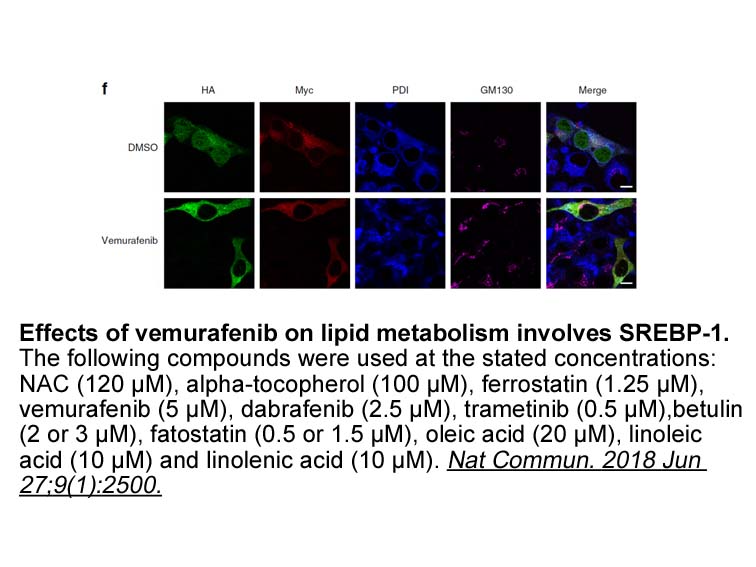
Future directions-outlook Peptide-based macrocycles are among the privileged scaffolds in antibiotic drug discovery. Many compounds were discovered by natural product screening and developed unchanged, or as semi-synthetic derivatizations. Since the golden age of antibiotic discovery (1940s-mid 1
-
AhR is also known to
2025-02-20
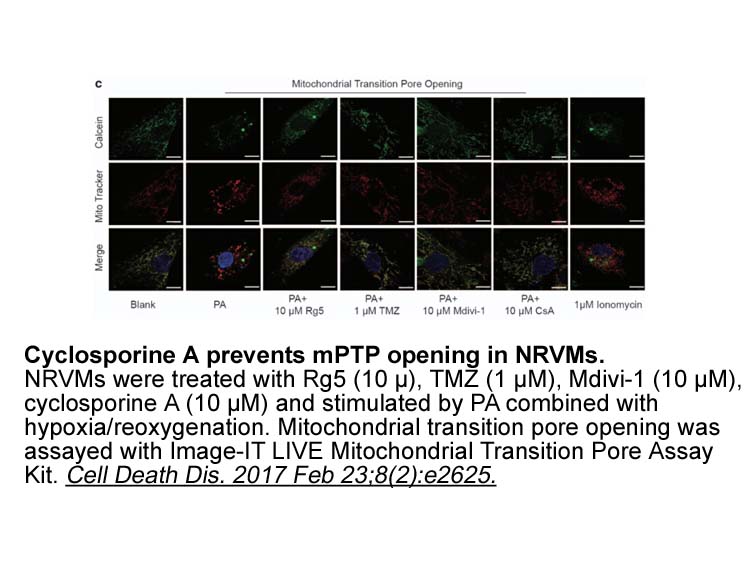
AhR is also known to “cross-talk” with a variety of other cell signaling pathways, which has been the focus of a number of recent reviews [40], [41], [42]. It has long been known that TCDD is anti-estrogenic. For example, activation of AhR by TCDD and related HAHs inhibits estrogen dependent uterus
-
To confirm a role of OCT in
2025-02-20
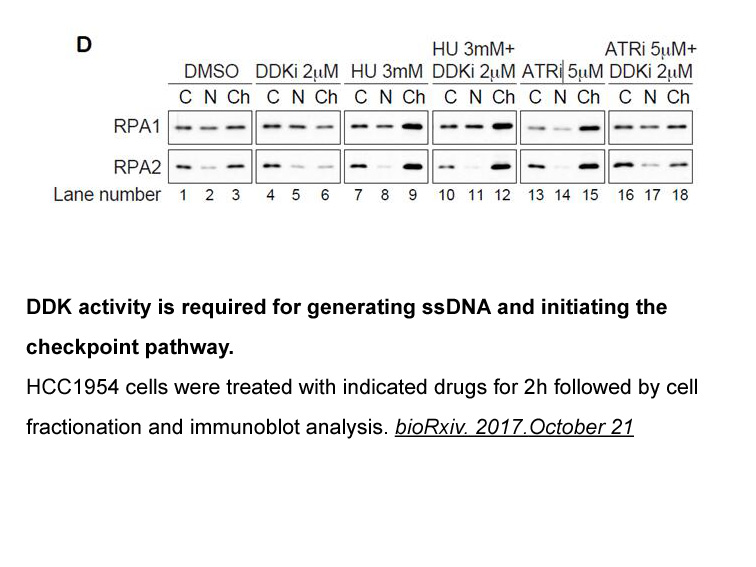
To confirm a role of OCT3 in corticosterone-induced potentiation of cocaine-primed reinstatement, we examined the interaction of corticosterone and cocaine in the reinstatement of cocaine conditioned place preference (CPP) in wild type mice, and transgenic OCT3-deficient mice. These mice express a t
-
Oxidative stress has recently been reported as one of the
2025-02-20

Oxidative stress has recently been reported as one of the important mechanisms of toxic effect of Cd2+[43]. The mechanism of Cd2+-induced oxidative stress involves an imbalance between generation and removal of ROS in tissues and cellular components, causing damage to membranes, DNA, and proteins [4
-
Caffeic acid dihydroxycinnamic acid is a natural compound th
2025-02-20
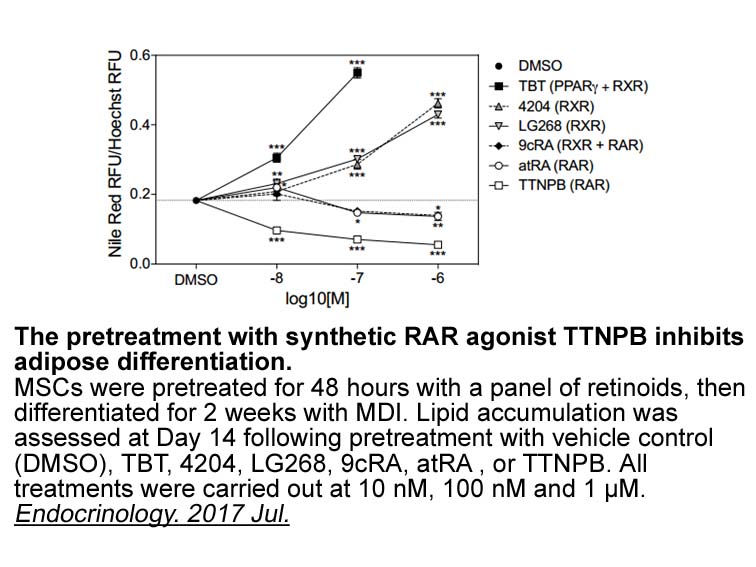
Caffeic Steroidal saponin (3,4-dihydroxycinnamic acid) is a natural compound that inhibits 5-LO and exerts potent anti-inflammatory and antioxidant properties. Recently, Takeda et al. reported that caffeic acid provided neuroprotective and anti-depressive activities [23]. Sertraline, a selective se
-
Macrophage polarization is linked to activation of the
2025-02-20
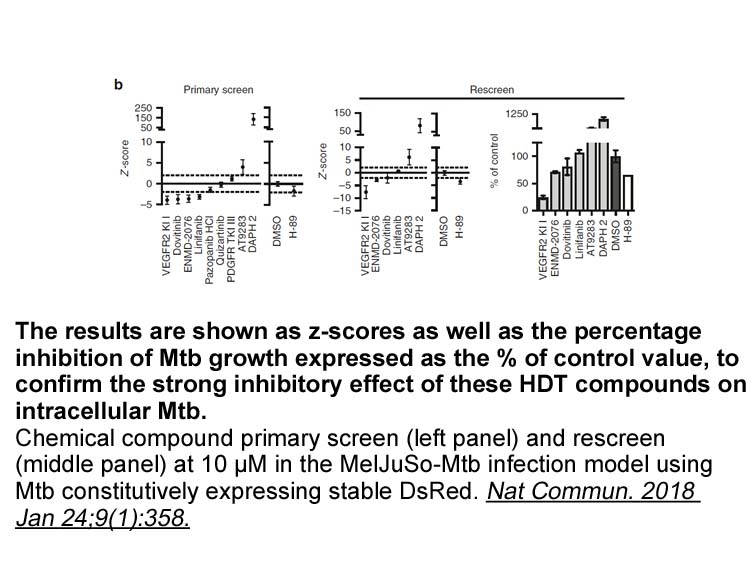
Macrophage polarization is linked to activation of the ligand-dependent transcription factor PPARγ. Recently, Odegaard et al. demonstrated with a macrophage-specific deletion of PPARγ in mice that alternative macrophage activation is impaired [14]. We provided evidence that contact to apoptotic Lept
-
br Acknowledgements We thank Dr Stefan
2025-02-20
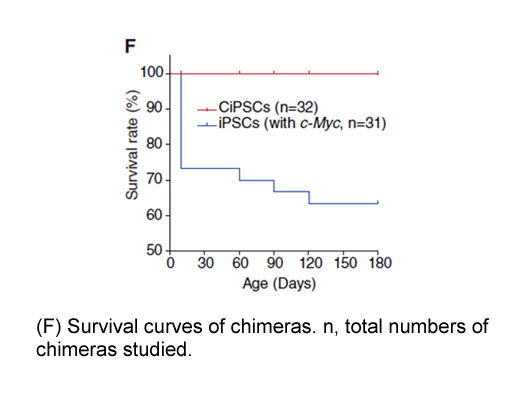
Acknowledgements We thank Dr. Stefan Schulte-Merker and his group members at the Hubrecht Institute (Utrecht, the Netherlands) for their invaluable support of the zebrafish studies. Our work is supported by grants from the Dutch Cancer Society (KWF) and the Netherlands Organisation for Scientific
-
FLT3 inhibitor The ATX LPA signaling axis has been implicate
2025-02-20
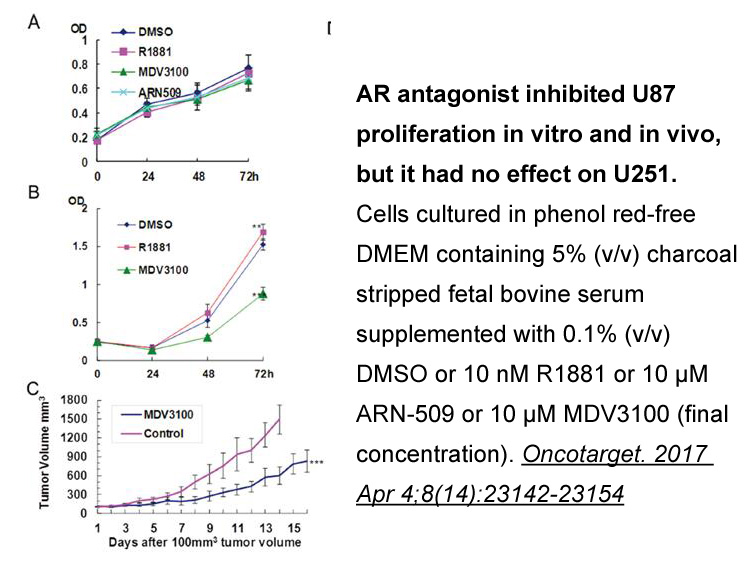
The ATX–LPA signaling “axis” [5] has been implicated in a perplexing variety of physiological and pathophysiological processes, including vascular and neural development [5], [26], [27], [28], [29], tumor progression and metastasis [30], [31], lymphocyte trafficking [22], bone development [32], neur
-
In plants altered expression of
2025-02-20
In plants, altered expression of Aurora kinases results in impaired meiotic divisions followed by the formation of aneuploid or polyploid progenies [21]. This observation is interesting from an evolutionary point of view because it can be assumed that, during evolution, the influence of biotic and a
-
Another important question concerns the mechanism by which
2025-02-20

Another important question concerns the mechanism by which a polyubiquitinated substrate is released from the Cdc48 complex and passed on to downstream components, such as the proteasome. There are at least three proposed models. In the first, a ubiquitinated substrate is transferred by ubiquitin-bi
15899 records 36/1060 page Previous Next First page 上5页 3637383940 下5页 Last page