Archives
- 2018-07
- 2019-04
- 2019-05
- 2019-06
- 2019-07
- 2019-08
- 2019-09
- 2019-10
- 2019-11
- 2019-12
- 2020-01
- 2020-02
- 2020-03
- 2020-04
- 2020-05
- 2020-06
- 2020-07
- 2020-08
- 2020-09
- 2020-10
- 2020-11
- 2020-12
- 2021-01
- 2021-02
- 2021-03
- 2021-04
- 2021-05
- 2021-06
- 2021-07
- 2021-08
- 2021-09
- 2021-10
- 2021-11
- 2021-12
- 2022-01
- 2022-02
- 2022-03
- 2022-04
- 2022-05
- 2022-06
- 2022-07
- 2022-08
- 2022-09
- 2022-10
- 2022-11
- 2022-12
- 2023-01
- 2023-02
- 2023-03
- 2023-04
- 2023-05
- 2023-06
- 2023-07
- 2023-08
- 2023-09
- 2023-10
- 2023-11
- 2023-12
- 2024-01
- 2024-02
- 2024-03
- 2024-04
- 2024-05
- 2024-06
- 2024-07
- 2024-08
- 2024-09
- 2024-10
- 2024-11
- 2024-12
- 2025-01
- 2025-02
- 2025-03
-
Bran is a byproduct of flour milling
2025-02-24
Bran is a byproduct of flour milling, typically utilized as a valuable component of animal feeds. Because of its attractive technological and health-promoting properties, it glycine receptors has also been increasingly used in food manufacturing as a source of dietary fiber. Indeed, with the growin
-
br Conclusions br Funding This work was
2025-02-24
Conclusions Funding This work was supported by a Finnish government subsidy for health science research [grant numbers TYH2012141, TYH 2013218, and TYH 2014216]; the SSAC Foundation [grant numbers SLS-504141 and SLS-693781]; and the Paulo Foundation. The funding sources had no involvement in s
-
br Introduction Sustained over activation of neurohormonal
2025-02-24
Introduction Sustained over-activation of neurohormonal systems is a hallmark in the pathophysiology of cardiac dysfunction following myocardial infarction (MI) and heart failure (HF). Inhibitors of the renin-angiotensin A-740003 system (RAAS) constitute cornerstones of pharmacotherapy for HF wi
-
Use of RASB is associated with
2025-02-24
Use of RASB is associated with potential concerns about side effects such as acute kidney injury or hyperkalemia, and clinicians are reluctant to prescribe RASB in patients with severe renal dysfunction (estimated GFR Conclusions Conflict of interest Acknowledgement Introduction Renin-an
-
Similar studies in Swedish Mutation
2025-02-24
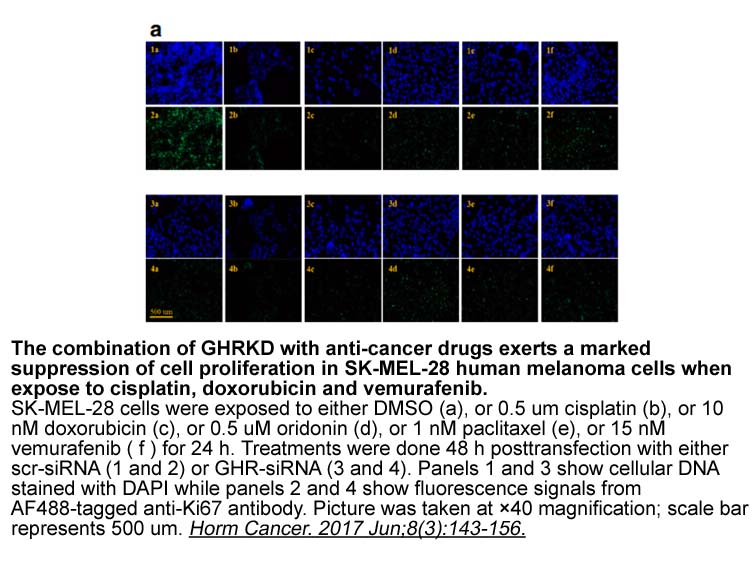
Similar studies in Swedish Mutation of APP AD transgenic mice revealed reduced dynamin 1, AP180, and synaptophysin expression in the hippocampus, particularly prominent in the CA1 and CA4 subfields [19]. These findings imply that Aβ can act not only as a modulator of exocytosis but is a potent regul
-
Recent work has detailed the impact
2025-02-24
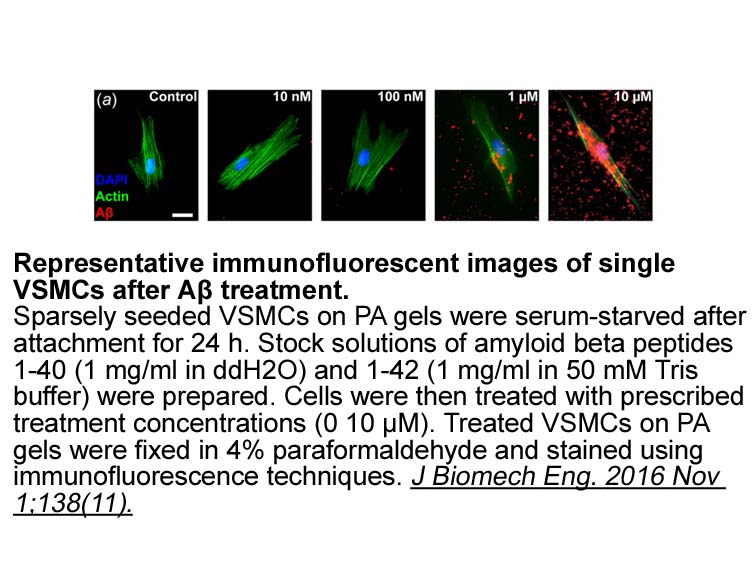
Recent work has detailed the impact of genetic GDC-0834 of AMPK in the liver, revealing only minor phenotypes upon removal in mice (Boudaba et al., 2018). However, these studies very elegantly showed the potential for small molecule-mediated activation of AMPK to elicit large changes in lipid metab
-
The importance of TARPs for AMPAR
2025-02-24
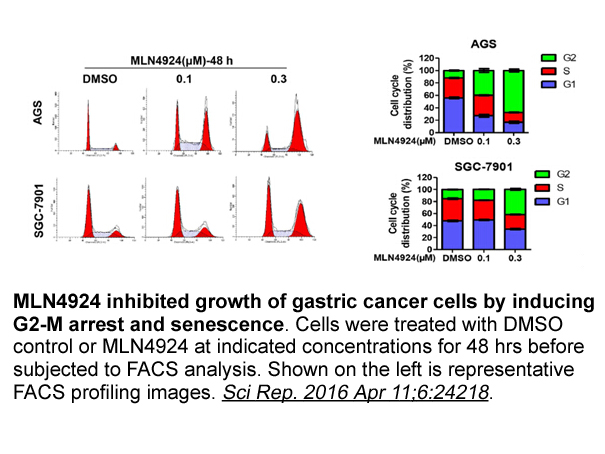
The importance of TARPs for AMPAR expression and function was revealed initially in the cerebellum, where the lack of γ-2 in the mutant mice waggler and stargazer (stg/stg) was associated with a selective loss of AMPAR-mediated synaptic currents in cerebellar granule amprenavir (Chen et al., 2000; H
-
br Conclusion P gingivalis expresses various exopeptidases i
2025-02-24
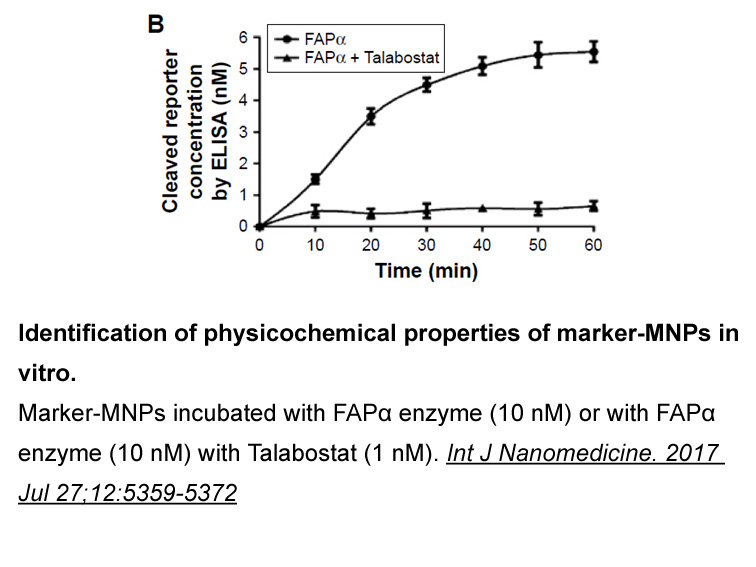
Conclusion P. gingivalis expresses various exopeptidases, i.e., DPP4, DPP5, DPP7, DPP11, PtpA, and AOP, in periplasmic space, which produce di- and tri-peptides from most oligopeptides. This oligopeptide processing step is important as an extracellular event in the Cy7 NHS ester (non-sulfonated)
-
Tephrosia purpurea Linn pers Fabaceae a widely growing herba
2025-02-24
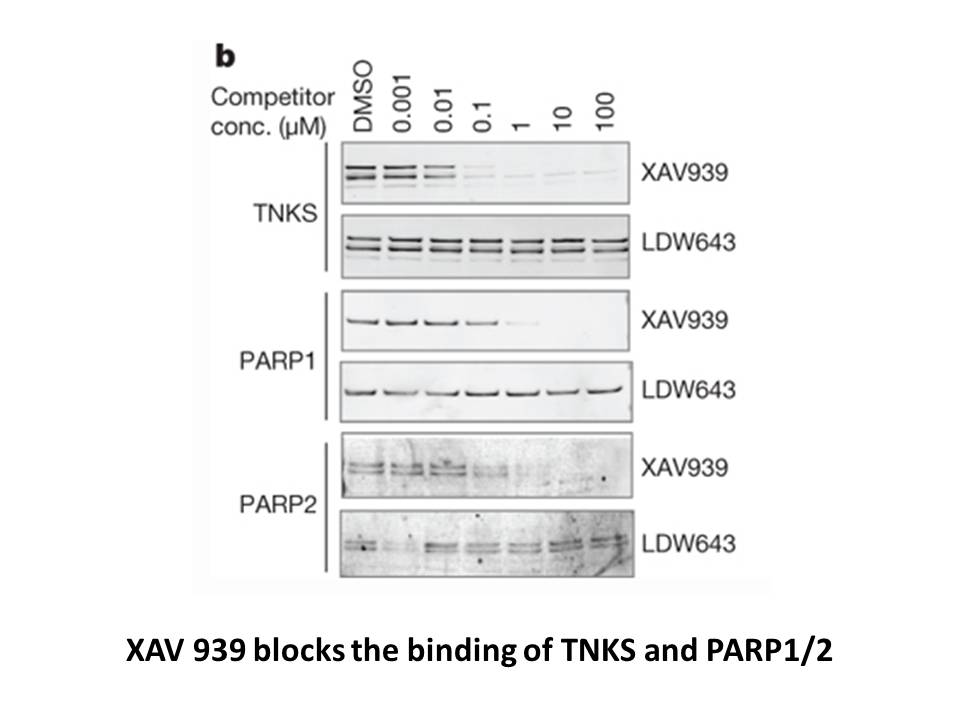
Tephrosia purpurea (Linn.) pers, (Fabaceae), a widely growing herbaceous perennial is reported to exhibit significant anti-hyperglycemic activity in animal models [7], [8], [9] as well as able to delay the development of diabetic complications [10], [11]. Recently, we have reported T. purpurea for i
-
The study by Lo http www apexbt
2025-02-24
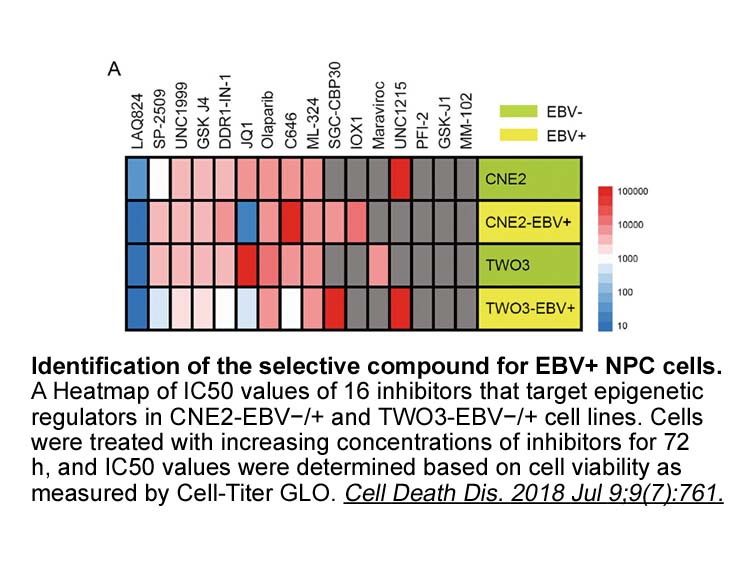
The study by Lowry et al. (2001) pointed toward functionally uncharacterized DA- and 5-HT-accumulating neurons within the DMH as a potential target for rapid nongenomic effects of CORT. Similar DA- and 5-HT-accumulating systems are distributed throughout the central and peripheral nervous systems, s
-
Neural progenitor cells NPCs are self
2025-02-24
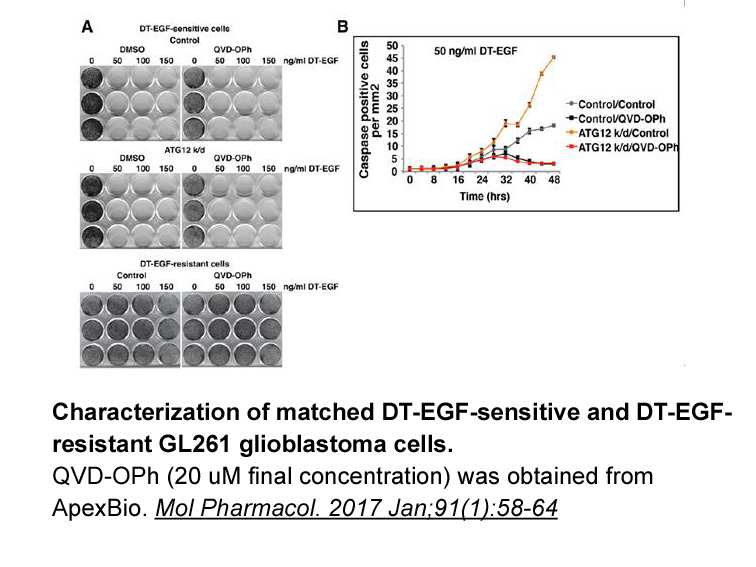
Neural progenitor cells (NPCs) are self-renewing, multipotent cells that are capable of differentiating into neurons, astrocytes and oligodendrocytes. NPCs are activated in response to a variety of pathological states in neurodegenerative diseases such as Parkinson’s disease and multiple sclerosis,
-
The first result of this
2025-02-21
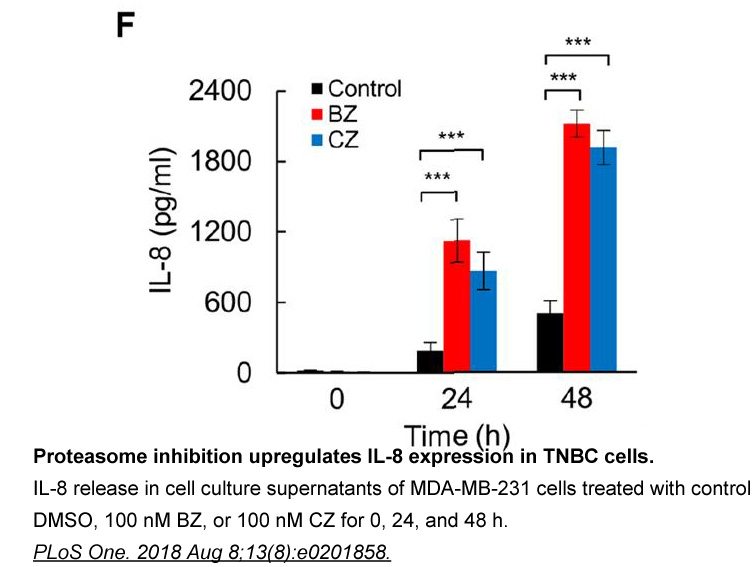
The first result of this paper is parallel to the positivity result given in [16]: Here the definition of approximate ACHE metric is the same as in [18]. See Definition 1 for details. The second result of this paper is parallel to the Sapitinib extension formulae given in [2]. In particular, whil
-
The difficulty of characterizing nAChRs in the
2025-02-21
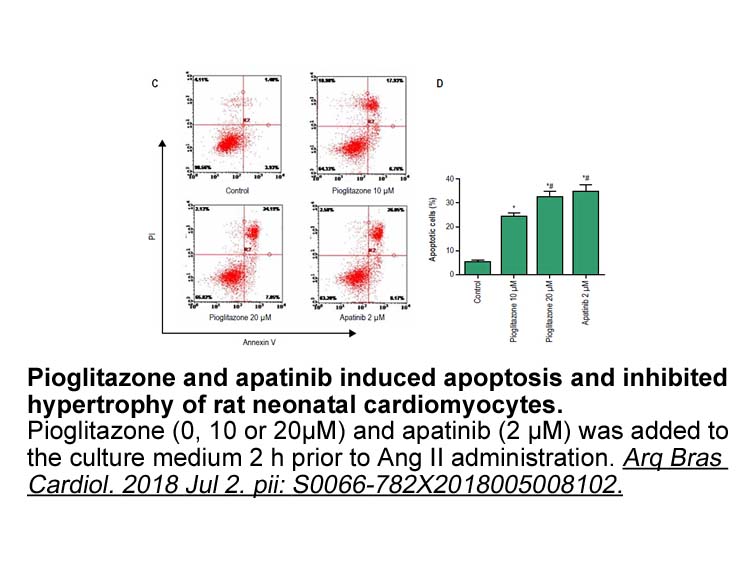
The difficulty of characterizing nAChRs in the central nervous system is also exemplified by early observations that nicotine caused no detectable effect when applied on a brain slice and it is only with the focal and high time resolution of more recent experiments that the effects of nicotinic neur
-
Notably our preliminary results confirmed
2025-02-21
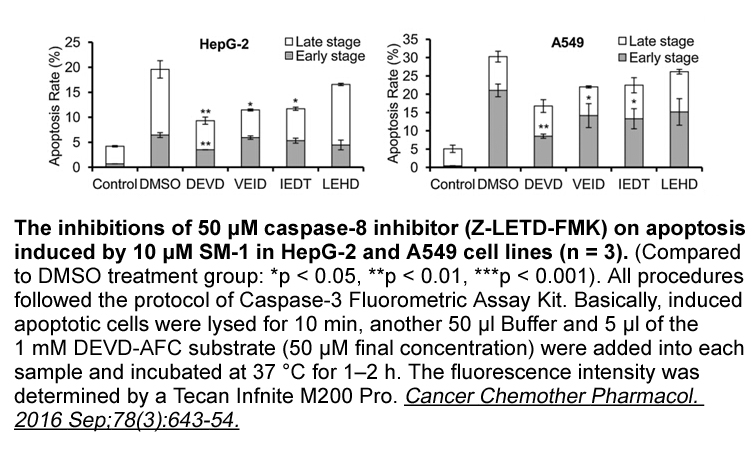
Notably, our preliminary results confirmed that fluoxetine (SSRIs, 5–10 mg/kg) and duloxetine (SNRIs, 5–10 mg/kg) could not enhance memory function in the novel object recognition or step-down passive avoidance tasks (data not shown). In the present study, we also found that vilazodone showed had no
-
Phosphoinositide kinase PI K Akt has been well demonstrated
2025-02-21
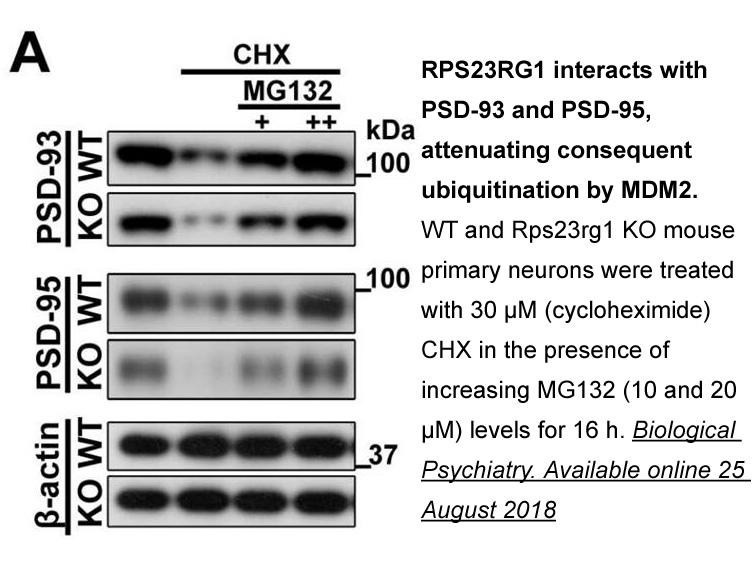
Phosphoinositide 3-kinase (PI3K)/Akt has been well demonstrated in the protection of myocardial cell against IR injury via increasing cardiomyocyte survival, inhibiting excessive autophagy, et al. (Kong et al., 2016). The BLU9931 receptor of ERK1/2 also involves in the regulation of cardiac myocyte
15461 records 6/1031 page Previous Next First page 上5页 678910 下5页 Last page